

Whether it starts as a two-week diagnostic or an end-to-end system, every engagement runs the same way: fixed scope, production code, and your team trained to own it.




01
AI Systems
We ship to production. Your team owns the repo.
Caravaggio, The Musicians, 1597
02
Agents & Automation
Kill the busywork. Keep the judgment.
Rembrandt, Aristotle with a Bust of Homer, 1653

03
AI Visibility
Measure who the answer engines cite, then close the gap.
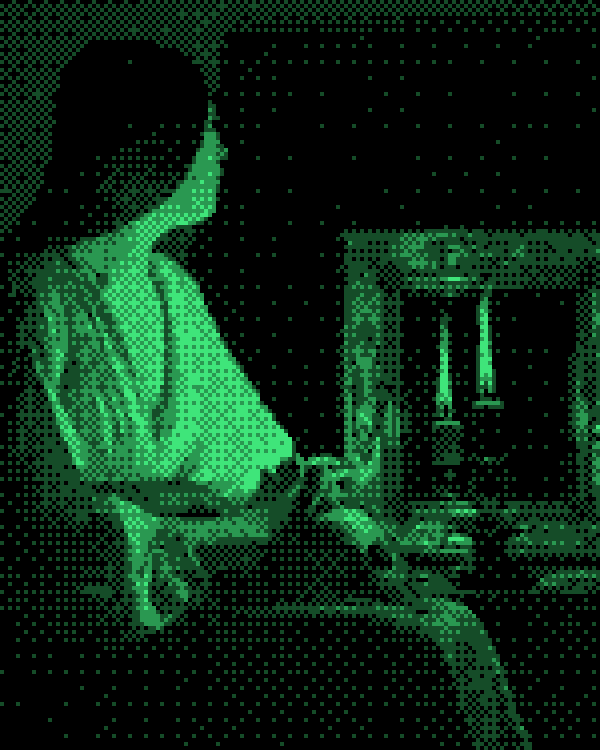
Georges de La Tour, The Penitent Magdalen, c. 1640




04
Applied Research
We find where AI pays off, and where it doesn't.
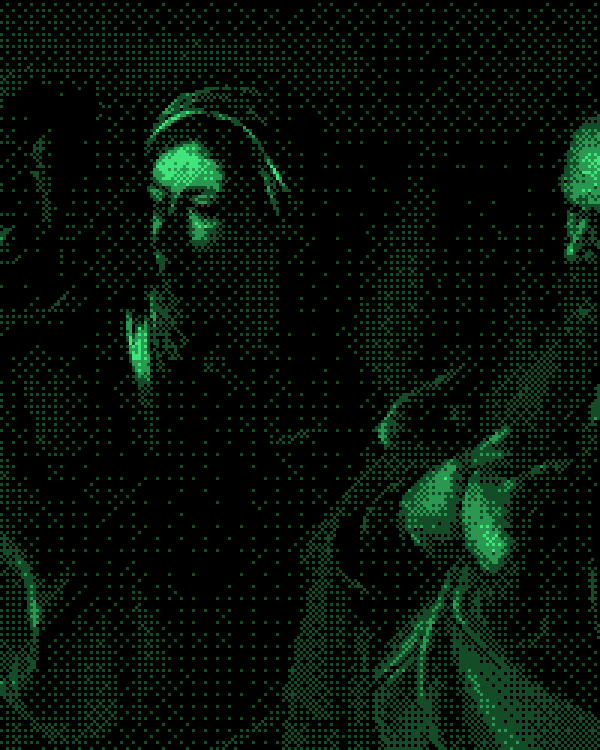
Adriaen Isenbrant, Man Weighing Gold, c. 1515
How we work
What you
actually get
No open-ended discovery. No mystery invoices. A fixed path from first conversation to live system — with weekly demos the whole way.
01
Diagnostic
Two weeks. We map where the work actually is, and what it costs you now.
02
Build
Fixed scope, weekly demos, real code in your repository from week one.
03
Deploy
Into your stack, not beside it. One system, not ten subscriptions.
04
Hand off
Your team is trained to run it. We build it. You own it.
Questions
Before you
ask us
The things people actually want to know before starting, answered without the sales layer.
01How do you price an engagement?
Fixed scope, fixed fee, quoted per engagement. You approve the number before anything starts, and it does not move unless you change the scope in writing.
We do not bill open-ended discovery, and we do not send a surprise invoice at the end. If a diagnostic tells us the work is smaller than you thought, we say so.
02How long until something actually works?
A diagnostic runs two weeks. A build is typically six to twelve weeks depending on how much of your stack it has to touch.
You see working software in week one and a demo every week after that. If the weekly demo ever turns into a status deck, something has gone wrong and we will tell you.
03We already have automations held together with Zapier and a few subscriptions. Do we throw that away?
Usually not all of it. The diagnostic maps what you already run, what it costs, and which parts genuinely earn their keep.
What we replace is the sprawl: a dozen tools each doing one step, none of them talking to each other, all of them billing monthly. The goal is one coherent system in your stack, not another subscription beside it.
04Who owns the code?
You do. Work lands in your repository, under your account, from the first week, not in ours to be handed over later.
There is no runtime licence, no per-seat fee on what we built, and no clause that makes leaving expensive. If you never speak to us again, everything keeps running.
05Do we need an in-house AI team to run this?
No, but you need someone who can own it. Hand-off is a phase of the work, not a document we email at the end: we train the people who will actually operate the system, in the system.
If nobody on your side can own it, that is worth knowing before we build. We would rather scope smaller than leave you something you cannot maintain.
06What don't you do?
We do not run pilots designed to die in procurement, and we do not take work where the honest answer is that AI will not pay for itself.
The diagnostic exists partly to find that out. Being told where not to spend is a legitimate outcome of an engagement with us.